


Professional facials occupy an unusual space in the hyperpigmentation landscape. They are one of the most commonly booked skin treatments, but their role in managing pigment is widely misunderstood. Most facials are not designed to treat hyperpigmentation. They are designed to maintain skin health: cleanse, hydrate, address congestion, and support barrier function.
That maintenance role can genuinely help pigmentation, but indirectly. Healthy, well-maintained skin responds better to active treatments, holds its barrier more effectively, and produces less reactive inflammation. A good facial supports those conditions. A bad one, one that involves aggressive extraction, unnecessary heat, or irritating products on pigment-prone skin, can create the exact inflammatory response that triggers new pigment.
The question with facials is not whether they work for pigmentation. It is whether the specific facial you are booking will help or harm your progress.
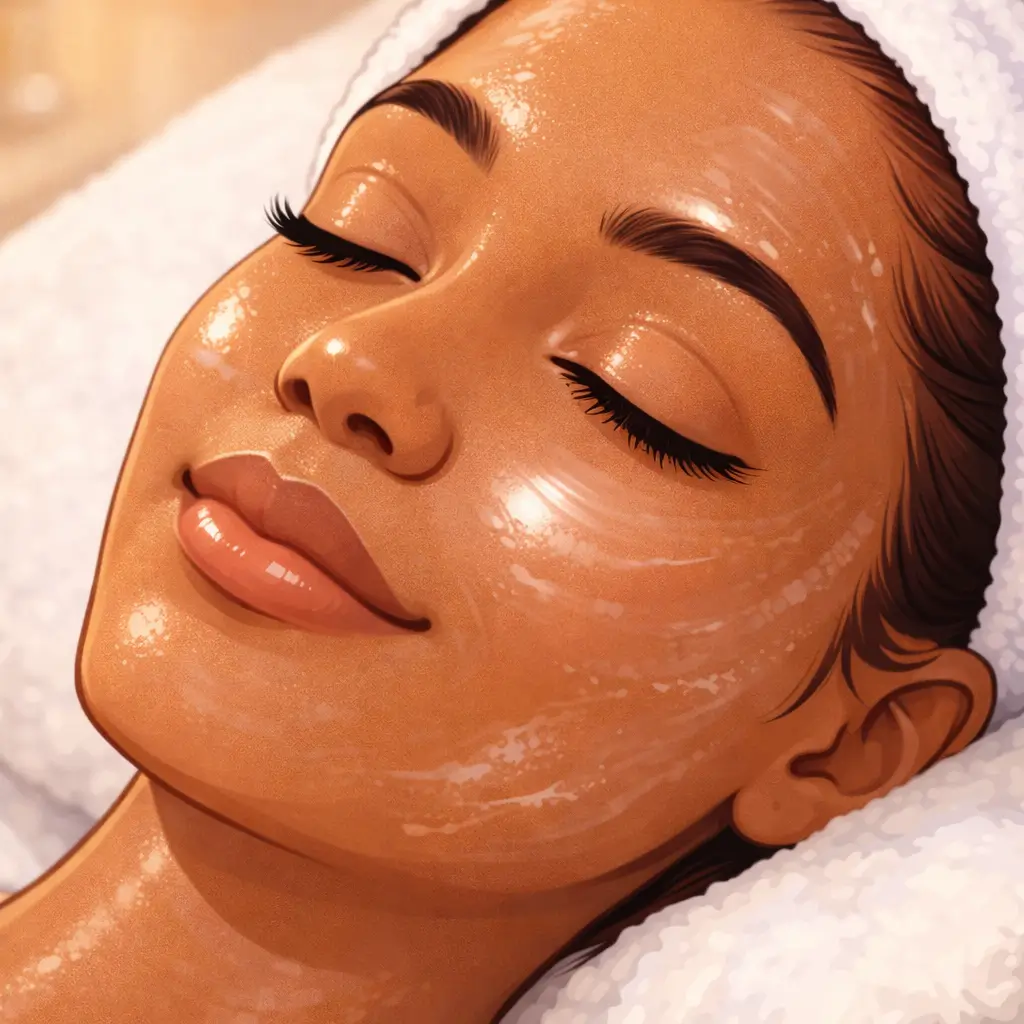
What Facials Can Realistically Do for Pigment
A professional facial is not going to clear a dark spot. It does not have the mechanism to do so. It cannot reach pigment in the deeper epidermis or dermis. It cannot accelerate melanin breakdown or inhibit tyrosinase the way targeted actives, peels, or clinical devices can.
What a well-performed facial can do is create better conditions for pigment to fade.
Barrier support. A facial that focuses on hydration, gentle exfoliation, and barrier repair helps the skin tolerate active treatments between sessions. A compromised barrier increases sensitivity to everything, including the topical depigmenting actives likely being used at home. Keeping the barrier intact means those actives can do their work without triggering reactive inflammation.
Reduced congestion. For acne-prone skin caught in the PIH cycle, keeping pores clear and reducing the frequency of breakouts directly reduces the number of new pigmentation events. Professional extraction, when performed carefully and gently, can clear congestion that would otherwise become inflamed and leave marks.
Product penetration. Thorough cleansing and gentle resurfacing during a facial can improve how well topical products absorb in the days following the treatment. Some aestheticians apply brightening or calming serums during the facial itself, taking advantage of the prepared skin surface.
Inflammation management. Facials that incorporate calming, anti-inflammatory ingredients (centella, aloe, niacinamide, green tea) can reduce the baseline inflammatory load in the skin. For pigment-prone skin, a lower inflammatory baseline means melanocytes are less reactive to everyday triggers.
None of these effects are dramatic. They are cumulative and supportive.
What to Look for in a Facial
Not all facials are appropriate for pigment-prone skin. The details of what happens during the session matter more than the name on the treatment menu.
Gentle, purposeful exfoliation. Enzyme-based or mild acid exfoliation at concentrations that support turnover without stripping. This is different from a peel. A facial-level exfoliation works on the very surface and should not cause visible flaking, redness, or sensitivity lasting beyond a few hours.
Hydration and barrier focus. The bulk of the treatment time should involve ingredients that support moisture retention and barrier integrity. Hyaluronic acid, ceramides, squalane, and peptides are common in facials oriented toward skin health rather than aggressive correction.
Careful extraction. If extractions are included, they should be targeted (only what genuinely needs clearing), gentle (minimal pressure, proper technique), and limited in duration. An aesthetician who spends thirty minutes extracting is causing more inflammation than the congestion itself would have.
Calming finish. The session should end with anti-inflammatory, soothing ingredients rather than active acids or high-concentration brightening agents. The skin has just been worked. It needs calm, not stimulation.
Communication about your pigmentation. An aesthetician who asks about your skin history, your current routine, and your pigmentation concerns before starting is one who will adapt the treatment accordingly. An aesthetician who applies the same protocol to every client regardless of skin concern is a risk for pigment-prone skin.
What Makes Pigment Worse
This is the section that matters most. Many facials cause more pigmentation than they resolve, not because the aesthetician is unskilled, but because the standard facial protocol was designed for general skin maintenance, not for skin that overproduces melanin in response to stimulus. For more on how treatments can backfire, see Why Some Treatments Make Pigment Worse.
Aggressive extraction. Forceful, prolonged extraction creates micro-trauma across the treated area. That trauma triggers an inflammatory response. That inflammatory response activates melanocytes. The result: a clearer complexion for a few days, followed by new post-inflammatory pigmentation that takes weeks to months to resolve. This is especially problematic in Fitzpatrick IV to VI skin where the inflammatory pigment response is stronger.
Steam. Many traditional facials use steam to open pores before extraction. For pigment-prone skin, particularly melasma, the heat from steam is a direct trigger. Heat increases vascular flow and inflammatory signalling independent of UV, and melanocytes respond. A facial that begins with ten minutes of steam on melasma-prone skin is working against you before any product is even applied.
High-strength acids or peels applied without assessment. Some facials include a "light peel" or "brightening" step using glycolic, lactic, or salicylic acid at concentrations that cross from gentle exfoliation into active resurfacing. That territory belongs to a dedicated chemical peel performed with proper assessment, not to a facial menu item applied uniformly. When this is applied to skin that is already sensitised, compromised, or melanocyte-reactive, it can trigger a pigment response. The word "brightening" on a facial menu does not guarantee the treatment is safe for hyperpigmentation.
Friction from manual technique. Vigorous massage, aggressive product application, and rough towelling can all trigger melanin production through the same mechanical pathways that make friction a pigmentation concern in daily life. Gentle technique throughout the session is not a luxury preference. It is a clinical consideration for skin that is prone to pigment.
Heat-emitting devices or hot towels. Warm towels on the face, heated masks, or any device that raises skin temperature can trigger melanocyte activity in heat-sensitive skin. These are standard comfort elements in many facial protocols but they are problematic for melasma and some forms of PIH.

Which Pigment Types and Skin Tones Respond
Post-inflammatory hyperpigmentation (PIH). Facials can play a useful supporting role for PIH, particularly in acne-prone skin where reducing congestion and breakout frequency directly reduces new pigmentation events. The key is that the facial itself does not create new inflammation. Gentle, hydrating facials with careful extraction can genuinely help. Aggressive facials with prolonged extraction and high-strength actives will create the very problem they claim to address. For more on topical options to use between sessions, see OTC Topicals for Hyperpigmentation.
Melasma. Facials are higher risk for melasma than for PIH. The heat sensitivity, the reactivity to inflammation, and the tendency toward rebound mean that standard facial protocols (steam, vigorous extraction, warming elements) are particularly problematic. A facial for melasma-prone skin needs to be specifically adapted: no steam, no heat, minimal extraction, calming ingredients throughout. Some aestheticians specialise in melasma-safe facials. Many do not, and the standard protocol will cause problems.
Sun spots and lentigines. Facials will not meaningfully reduce established sun spots. These are dense, stable pigment deposits that require targeted treatment (laser, IPL, or concentrated topicals) to clear. A facial can support the skin's overall condition between those treatments, but it should not be expected to produce visible lightening on its own.
Recovery and Downtime
A well-performed facial for pigment-prone skin should require minimal recovery. Mild pinkness for a few hours is normal. Slight sensitivity to active products for 24 hours is expected. The skin should feel calm, hydrated, and comfortable by the evening of the treatment day.
If the skin is visibly red, raw, or sore the following day, the facial was too aggressive for your skin's tolerance. If new dark marks appear in the week or two after a facial, the treatment triggered a pigment response, most likely from extraction trauma, heat, or irritation from products used during the session.
The recovery profile of a facial is itself useful feedback. A facial that leaves pigment-prone skin inflamed is a facial that should not be repeated in the same format.
Risk Profile
Who should be cautious or avoid this (for now)
- Anyone with active melasma should only book facials with an aesthetician who specifically adapts the protocol for melasma (no steam, no heat, minimal extraction)
- Anyone with active, inflamed acne should avoid facials that include aggressive extraction (risk of spreading infection and creating new PIH)
- Anyone currently using prescription retinoids or high-strength topical acids should inform the aesthetician, as the skin may be more sensitive to exfoliation and extraction than it appears
- Anyone recovering from a recent procedure (peel, laser, microneedling) should wait until the skin has fully healed before booking a facial
- Anyone who experienced new pigmentation after a previous facial should not repeat the same protocol
Skin tone risk notes
Facials are generally safe across all skin tones when performed gently. The risk for darker skin comes not from the facial concept itself but from the inflammatory side effects of aggressive technique. Forceful extraction, prolonged steam, and irritating products produce stronger post-inflammatory pigmentation responses in Fitzpatrick IV to VI skin. The solution is not avoiding facials but ensuring the protocol is adapted. Communicate your pigmentation concerns before the treatment begins, not after.
Rebound risk
Rebound pigmentation from facials is not caused by the same mechanism as rebound from lasers or peels. It is straightforward post-inflammatory hyperpigmentation triggered by trauma, heat, or irritation during the session. The risk is entirely dependent on what happens during the facial. A gentle, hydrating facial carries near-zero rebound risk. A facial with aggressive extraction and steam on pigment-prone skin carries meaningful risk. The treatment name tells you almost nothing. The technique tells you everything.
Questions to ask your aesthetician
- Do you adapt your facial protocol for clients with hyperpigmentation or melasma?
- Will you be using steam? (If yes, and you have melasma, request that it be skipped.)
- How do you approach extractions for pigment-prone skin?
- What products will you use during the treatment, and are any of them high-strength acids or exfoliants?
- What should I expect my skin to look like in the 24 hours after the facial?
Best paired with
Professional facials work best as a maintenance layer alongside a consistent home routine. They do not replace active treatment. Their value is keeping the skin in the best possible condition so that the topical actives, sun protection, and any clinical treatments can perform optimally. Spacing facials every 4 to 6 weeks gives the skin time to benefit from each session without the cumulative irritation risk of more frequent treatments. A consistent protection and prevention routine ensures that gains from each session are not lost to ongoing trigger exposure.
Internal support for inflammatory regulation and skin repair complements what facials do at the surface. The skin's ability to respond well to extraction, exfoliation, and hydration depends partly on systemic factors that facials cannot influence. The From Within section covers those internal mechanisms.

The Takeaway
Professional facials are not a hyperpigmentation treatment. They are a skin maintenance tool that can either support or undermine a pigmentation strategy depending entirely on what happens during the session.
A gentle, hydrating facial with careful extraction and no unnecessary heat is a reasonable addition to a broader approach. It keeps the skin resilient, reduces congestion that could become new pigmentation, and supports the barrier that every other treatment depends on. An aggressive facial with steam, forceful extraction, and irritating actives on pigment-prone skin is a setback disguised as self-care.
The difference between those two outcomes is not the word "facial" on the menu. It is the conversation you have with your aesthetician before the treatment starts, and their willingness to adapt the protocol to your skin.


