


Six months is a real window of time. If you have been genuinely consistent with a well-matched approach for six months, protecting from sun, managing triggers, not switching products every few weeks, and the pigment has not moved at all, the issue is probably not patience. It is something structural that needs a different kind of attention.
This is not a failure on your part. Some causes of persistent pigment cannot be resolved with topicals and time alone, and identifying those causes is the most useful thing you can do at this stage.
What "structural" means here
At the six-month mark with no improvement, one or more of these situations is typically in play:
The pigment has a dermal component. This is the most common reason for long-term stalls. Dermal pigment sits below the basement membrane, trapped in macrophages in the dermis. It is not part of the epidermal turnover cycle, which means no amount of topical exfoliation or tyrosinase inhibition will move it. The only way to address dermal pigment is through treatments that reach below the epidermis: fractional laser, certain peels, or microneedling. And even then, the improvement is gradual and partial, not complete.
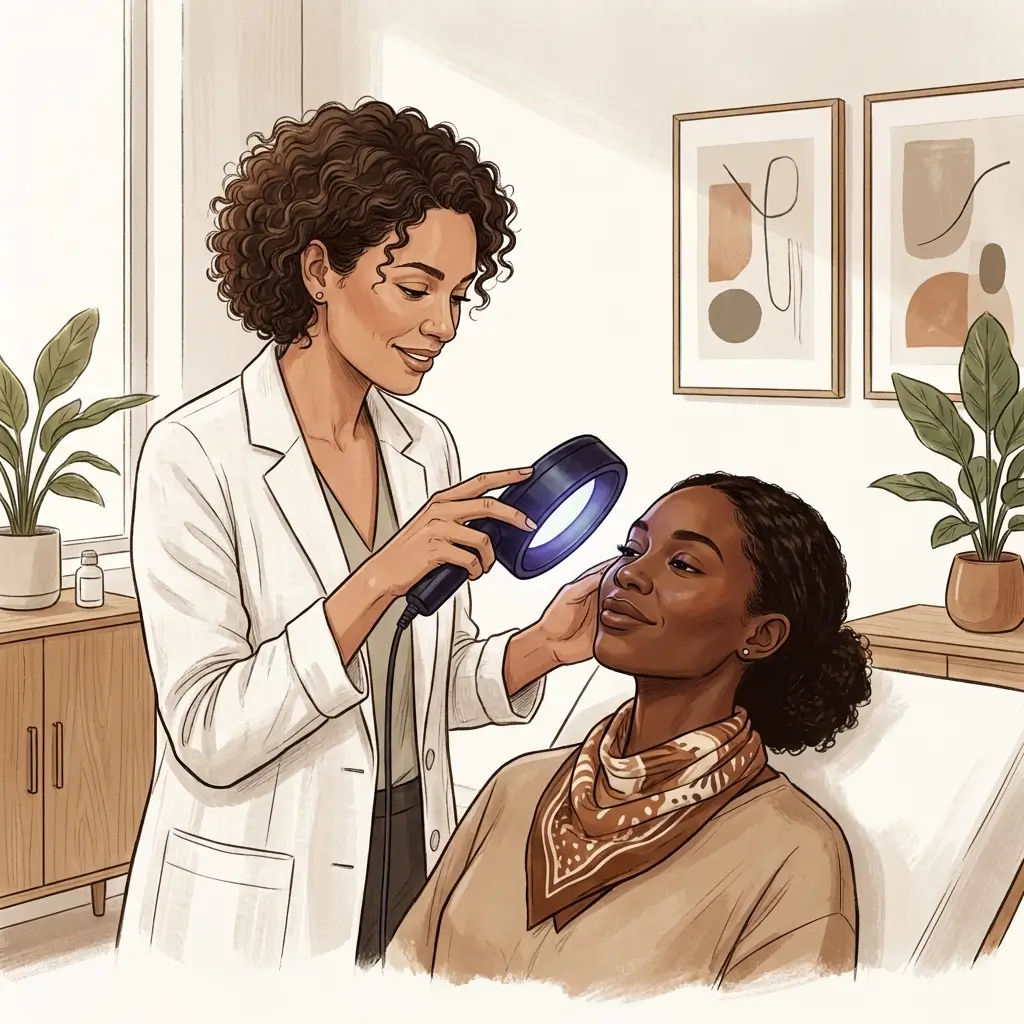
If your pigment has a grey or blue-grey tone, has been present for years, or developed from severe inflammation, there is a reasonable chance some of it has migrated into the dermis. A Wood's lamp exam from a dermatologist can confirm this.
There are unaddressed internal factors. Hormonal imbalances, thyroid dysfunction, chronic inflammation, nutrient deficiencies, and gut health disruptions can all maintain pigment production from the inside, regardless of what you are applying to the surface. If the internal driver is still active, topical treatment is managing symptoms while the cause continues running.
This is where internal support becomes particularly relevant. The signalling that keeps melanocytes in overproduction mode often originates in biochemical environments that topicals cannot reach. Addressing the internal landscape does not replace other treatment. It supports it in a way that purely topical approaches cannot.
The type has been misidentified. This happens more often than people expect. The most common misidentification is treating melasma as PIH. PIH and melasma have different triggers, different behaviours, and different timelines. If you have been treating a melasma pattern with a PIH approach, the mismatch explains the stall. This is another reason a dermatologist visit at this stage is not optional but strategic.
There is a medical condition driving it. In some cases, persistent pigment is a symptom of something systemic: thyroid dysfunction, adrenal issues, insulin resistance, or another endocrine condition. These will not resolve with skincare. They require medical evaluation and treatment. If you have other unexplained symptoms alongside the pigment (fatigue, weight changes, hair changes, cycle irregularities), mention them to your doctor.
Seeing a dermatologist at this point
At six months with no improvement, a dermatologist visit is the most efficient thing you can do. Not because you have failed, but because you have reached the limit of what self-directed care can reliably diagnose.
A dermatologist can confirm the pigment type (ruling out misidentification), assess pigment depth with a Wood's lamp, evaluate whether a dermal component is present, review your approach and identify gaps, recommend professional treatments if appropriate, and flag any signs that a medical workup is warranted.
If you have been managing this on your own and feel stuck, this is the moment where professional input unlocks the next step. Think of it as getting better data, not admitting defeat.
Internal support at the six-month mark
If the topical approach has plateaued, looking inward makes sense, not as a replacement but as the layer that may have been missing.
The inflammatory and oxidative signalling that maintains melanocyte overproduction originates below the skin's surface. Addressing those internal pathways, through antioxidant support, nutrients that support healthy inflammatory resolution, and compounds that influence melanocyte signalling from the inside, can shift the environment your skin is trying to heal within.
This is what our Hyperpigmentation Cleanse capsules were designed for. When the external approach has been consistent but the results have stalled, supporting the internal environment can be the factor that moves things forward.
What not to do
The six-month frustration point is where people are most vulnerable to escalation: stronger acids, higher-concentration retinoids, DIY peels, devices they found online. The logic feels sound: nothing gentle has worked, so maybe something aggressive will. In practice, aggressive interventions on pigment-prone skin carry real risk of triggering new inflammation and making the pigment worse.
The move at this stage is not harder. It is smarter. Better diagnosis, better matching, and addressing the layers of the problem that the previous approach was not reaching.
Six months with no change is not a dead end. It is information. The pigment is telling you something about its depth, its drivers, or its type. The next step is listening to that and adjusting accordingly.


