


Olive skin has its own version of hyperpigmentation, and it doesn't look the way you'd expect.
It's not a neat brown patch. It's a grey cast, a dullness, a shadow that sits under the skin like something you can't quite reach. If you have Mediterranean, Middle Eastern, or Southern European skin with that characteristic yellow-green undertone, and your dark marks look muted or ashy rather than obviously dark, you're not imagining things. Your pigment is behaving differently because it's sitting in a different place.
That difference in appearance isn't cosmetic. It's structural. And it changes how the pigment behaves, how long it lasts, and what it responds to.
Why olive skin pigment looks grey, and what that means
The term "olive" doesn't just refer to a colour. It describes a skin type with a high proportion of eumelanin (brown-black melanin) combined with a yellowish or greenish undertone. When olive skin produces extra melanin in response to a trigger, the extra pigment often appears as a grey, muted, or ashen tone rather than a clearly defined dark spot. It can look like a shadow sitting beneath the surface rather than something sitting on top of it.
This isn't just how it looks. It's a signal of where the pigment is.
In olive skin, melanin is more likely to settle in the deeper dermis rather than staying in the outer layers. Dermal pigment looks different from surface pigment because there's more tissue between the melanin and the light reaching your eye. That filtering effect is what produces the grey or bluish tone instead of a clear brown.
This depth distinction matters for everything that follows. Surface-level pigment responds to topical ingredients, turns over with natural cell cycles, and typically fades within weeks to a few months. Deeper pigment sits below the layer that topicals can easily reach. It doesn't turn over with normal cell cycling. It can persist for months, years, or sometimes indefinitely without an approach that addresses more than the surface.
If you've been consistent with a topical regimen and the improvement has been minimal, the issue probably isn't the products. It's that the pigment is deeper than topicals can effectively reach. That's not a failure of effort. It's a depth problem, and it's one of the reasons olive skin benefits from thinking in two layers, addressing what's happening on the surface while also looking at the internal signals (inflammation, oxidative stress, hormonal fluctuations) that are keeping your melanocytes primed to overproduce. An inside-out approach can reach what topicals alone can't.
Heat and sun: the primary relapse drivers
In olive skin, the triggers that drive pigment relapse aren't always the ones people focus on.
UV exposure matters, but olive skin has more natural UV tolerance than fair or light skin. That tolerance can create a false sense of security. The UV threshold for triggering melanin is higher, but it still exists. And when UV does trigger pigment in olive skin, it tends to reinforce existing marks rather than creating new ones. That's why sun exposure can make a fading mark suddenly look darker again, even if you didn't get a visible burn.
Heat is the bigger factor for this group. Olive skin is particularly susceptible to heat reactivating pigment. Hot environments, saunas, hot showers, steam, cooking over a stove, and even prolonged time in heated indoor spaces can maintain or reactivate pigment even without sun exposure. If you've been careful about sunscreen and still watching your pigment hold steady, heat is the trigger worth examining first.
Irritation is a less dominant trigger for olive skin compared to darker tones. Olive skin's melanocytes are reactive, but not as aggressively reactive to minor inflammation as those in brown or dark skin. That doesn't mean irritation doesn't matter. It means that in the hierarchy of triggers for olive skin, heat and UV sit above it.
The grey mark dilemma
There's a specific frustration that comes with olive skin pigment. When it presents as grey or muted, it's harder to track progress.
With a clearly defined brown spot, you can see it lighten. You can compare photos. There's a visual trajectory. With the grey, shadowy pigment that olive skin tends to produce, improvements are subtler. The mark doesn't "lighten" in a straightforward way. Instead, the grey tone gradually becomes less noticeable, the shadow lifts incrementally, and one day the area looks closer to your surrounding skin.
But the middle stages of that process can look like nothing is happening. If you've been checking every morning and feeling like your skin looks the same, that's the depth timeline at work, not evidence that your approach is failing.
Try comparing images taken a month or more apart in the same lighting conditions. The changes in olive skin pigment are often too gradual to see week to week, but visible across longer intervals. It's also worth knowing that you're not alone in this. We hear from people with olive skin constantly about this exact pattern, where the mark feels permanent until suddenly, months in, it's noticeably lighter than it was.
Rebound risk
Olive skin's rebound risk is moderate: higher than fair or medium skin, lower than brown or dark skin. The melanocytes are reactive enough that aggressive treatment triggers rebound, but the response isn't as hair-trigger as it is in more deeply pigmented skin.
This means olive skin can tolerate a reasonable range of treatments, but the escalation should be gradual. Any sign of irritation (stinging, tightness, visible redness) is an early warning, not something to push through. Crossing that threshold can mean new pigment in the exact area you were trying to clear.
The other rebound factor specific to olive skin is heat. After treatment, your skin is more heat-sensitive, and olive skin's existing vulnerability to heat-driven pigment makes this combination risky. After any procedure or active treatment, heat avoidance matters as much as UV avoidance for this tone.
Common mistakes specific to olive skin
Misreading depth as severity. A grey mark in olive skin can look permanent or severe, when in reality it's a depth issue more than a damage issue. Depth makes pigment harder to reach, but it doesn't mean the mark is untreatable. It means the timeline is longer and the approach needs to account for where the pigment sits.
Ignoring heat as a trigger. If your pigment flares in summer despite consistent sunscreen, or if you notice marks looking worse after hot baths or time in warm environments, heat is the variable to address.
Treating grey pigment with surface-level products only. Standard brightening serums and mild exfoliants target the outer layers. If the pigment is dermal, these products might improve your overall skin tone slightly, but they won't resolve the deeper marks. That's where thinking about what's driving production from within becomes important.
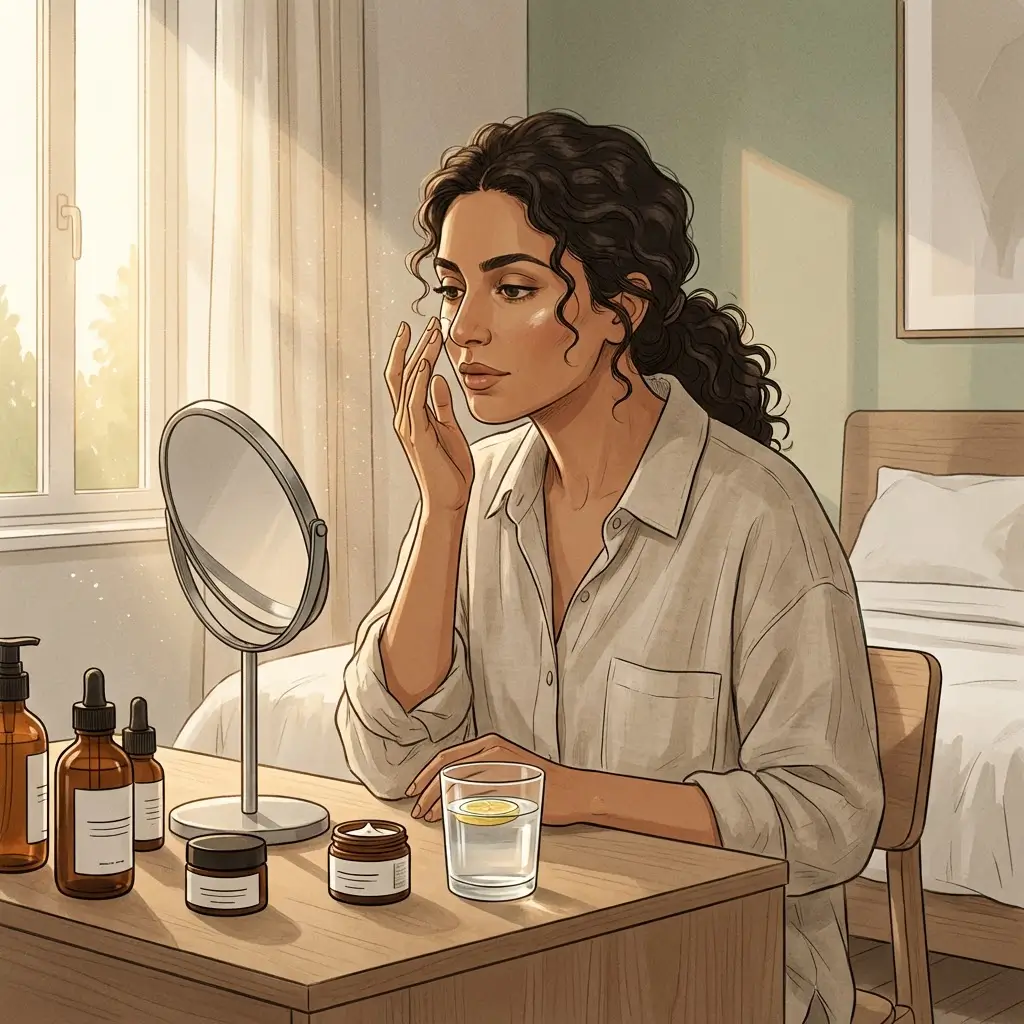
Comparing your progress to lighter-skinned timelines. If getting dressed in the morning means tilting your face in the mirror to check whether that grey shadow along your jaw has shifted at all, and it hasn't, and it's been six weeks, that's a normal olive skin timeline, not a failed approach. Using someone else's fast transformation as your benchmark sets you up for unnecessary frustration.
When pigment is most likely to return
The highest-risk windows for olive skin are sustained heat exposure (summer, tropical travel, hot work environments), periods of hormonal fluctuation (pregnancy, contraceptive changes, perimenopause), and post-procedural recovery when the skin is more reactive.
If you've noticed a seasonal pattern where your skin looks its best in cool, overcast weather and worst in hot, sunny conditions, that's your olive skin telling you exactly what its dominant triggers are.
That seasonal pattern also points to something worth considering. If your pigment returns on a predictable cycle despite consistent surface-level care, the triggers keeping it active may not all be external. Hormonal shifts, low-grade inflammation, and oxidative stress all influence how readily your melanocytes fire, and they operate beneath the surface where topicals can't manage them. Working with your skin's rhythm rather than against it is the most effective long-term strategy.
Olive skin's hyperpigmentation is real, even when it doesn't look like a standard dark spot. The grey cast, the slow fade, the deeper placement don't mean the situation is hopeless. Your skin has its own timeline and its own logic. Once you stop measuring your progress against the wrong benchmarks, the actual progress becomes easier to see.


