


Every treatment in a hyperpigmentation routine works against whatever UV exposure your skin takes in during the day. That means sunscreen isn't just a protective step. It's the thing that decides how much of your treatment actually sticks.
A strong retinoid used every night alongside an inadequate sunscreen is like filling a bucket with a hole in the bottom. The fading happens, but the UV undoes a portion of it every day, and the net result is much slower than it should be.
The difference between people who see results in three months and people who are still waiting at six often isn't the treatment. It's the sunscreen.
SPF number versus real-world protection
SPF measures how much UVB radiation a sunscreen blocks. SPF 30 blocks about 97%. SPF 50 blocks about 98%. The difference between 30 and 50 is real but small, and for most routine purposes, either is adequate.
The catch is that SPF ratings are tested at a specific thickness: 2 milligrams per square centimetre of skin. That's a measured, generous layer, and almost nobody applies that much in real life.
Most people apply about half the tested amount, which means the actual protection they're getting is closer to SPF 15 than SPF 50. At that level, enough UV is getting through to keep your melanocytes mildly stimulated all day, even on overcast days, even indoors near windows.
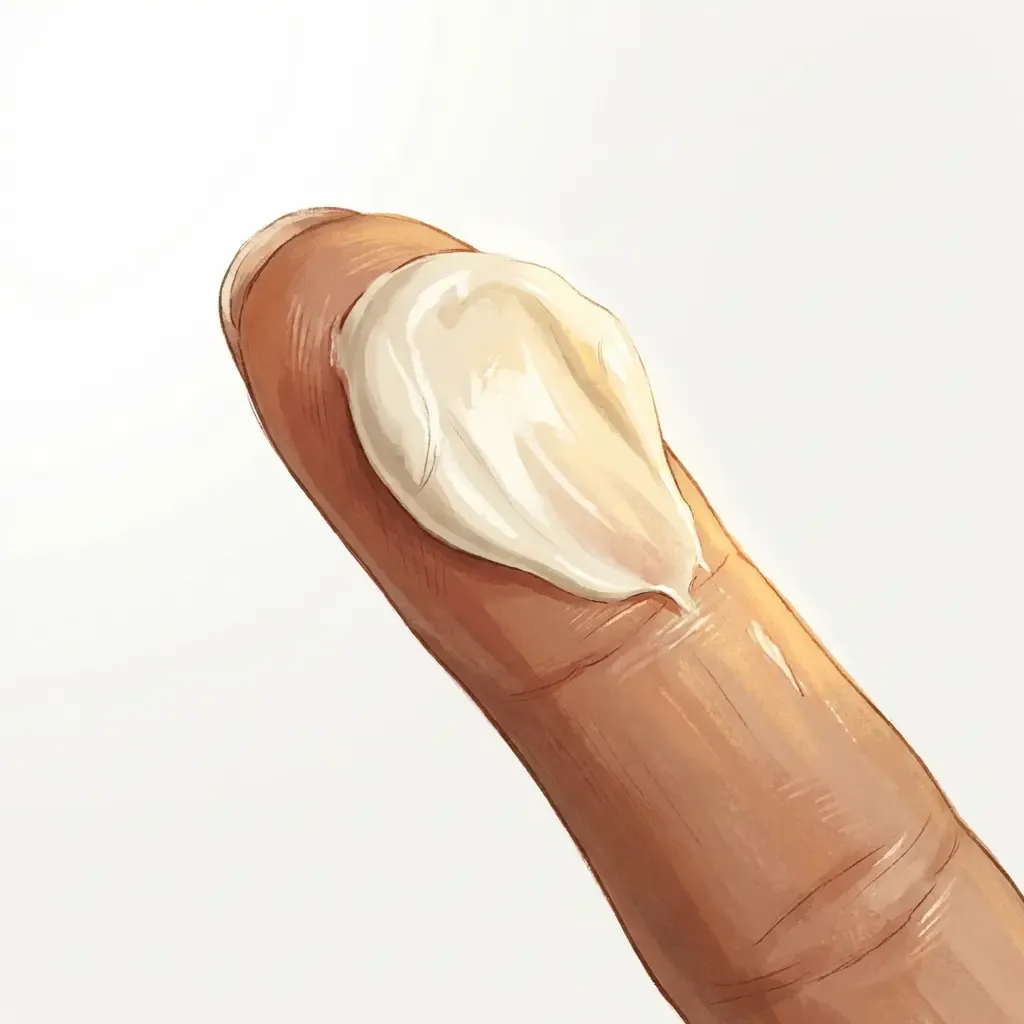
For hyperpigmentation-prone skin, the fix isn't buying a higher SPF. It's applying more of the one you have. Two finger-lengths of product (the "two-finger rule") for your face is roughly the right amount. If that feels heavy or looks too thick, the formula might not be right for daily wear, and that's a product-fit issue worth solving rather than a reason to apply less.
Chemical versus mineral filters
Chemical (organic) filters absorb UV radiation and convert it to heat. Common ones include avobenzone, octinoxate, and newer-generation filters like tinosorb and mexoryl. Mineral (inorganic) filters sit on top of the skin and scatter UV. The two main ones are zinc oxide and titanium dioxide.
For hyperpigmentation, the filter type matters less than the spectrum of protection. What you're looking for is broad-spectrum coverage, meaning protection against both UVA and UVB.
UVB causes sunburn and is the primary driver of SPF ratings. UVA penetrates deeper, drives pigment production more aggressively, and passes through clouds and windows. Many sunscreens offer strong UVB protection but weaker UVA coverage, which is a problem specifically for people trying to fade pigment.
If your sunscreen doesn't specify UVA protection level (look for a high PA rating, or a high PPD value on European formulations), it might be leaving a real gap in exactly the spectrum that stimulates pigment most.
Mineral sunscreens tend to offer decent broad-spectrum coverage by default, since zinc oxide blocks across the UVA and UVB range. Chemical sunscreens vary more widely. Neither type is inherently better, but the UVA coverage needs to be checked rather than assumed.
Why visible light matters for melanin-rich skin
This is where things get specific for people with more melanin.
Visible light, the portion of the spectrum you can actually see, doesn't get blocked by most sunscreens. And for melanin-rich skin, visible light can trigger pigment production in a way that it doesn't for lighter skin tones. The mechanism involves a receptor in the skin called opsin-3, which responds to blue and violet wavelengths and sends signals to melanocytes.
Standard sunscreens, whether chemical or mineral, don't address this. A clear SPF 50 on melanin-rich skin leaves the visible light pathway wide open.
The practical solution is tinted sunscreen, which contains iron oxides that block visible light. This isn't cosmetic advice. It's a protection gap that's relevant to anyone whose melanocytes are reactive enough to be triggered by wavelengths outside the UV range.
Reapplication: the step most routines skip
Sunscreen degrades. Chemical filters break down as they absorb UV. Mineral filters shift and thin as you touch your face, sweat, or produce oil. By midday, the protection you applied in the morning is meaningfully reduced.
For most people, this gradual reduction isn't a crisis. For someone actively fading hyperpigmentation, it's a daily window where UV exposure is undoing treatment work.
Reapplication every two hours is the standard recommendation, and it's appropriate for extended outdoor exposure. For a typical indoor day with some time near windows, a midday reapplication is usually enough to maintain adequate protection through the afternoon.
The barrier for most people isn't knowledge. It's logistics. Reapplying over makeup feels disruptive. Carrying sunscreen to work feels like too much. This is where formula choice matters practically: a lightweight, non-greasy sunscreen that layers well is a formula you'll actually reapply. A thick, white-cast-heavy formula that takes five minutes to blend is one you won't.
The best sunscreen for hyperpigmentation isn't the one with the highest SPF or the most advanced filters. It's the one you consistently apply in adequate amounts and reapply when protection fades.
How sunscreen interacts with your treatment routine
Sunscreen and treatment actives work in sequence, but their timing matters.
Morning actives like vitamin C should go on before sunscreen. The vitamin C provides antioxidant support against UV-generated free radicals, and the sunscreen blocks the radiation itself. Together, they provide layered protection that neither offers alone.
Sunscreen should always be the final step in a morning skincare routine, applied after serums and moisturisers. Applying it before other products weakens the protective film. Mixing it with other products dilutes the coverage.
One thing people often miss: if you're using a retinoid at night, your skin is more sensitive to UV the next day. That doesn't mean retinoids are unsafe, but it does mean your sunscreen application the morning after needs to be thorough. Skimping on sunscreen while using a nighttime retinoid is one of the most common reasons fading stalls.
Choosing the right formula for your routine
The ideal sunscreen for a hyperpigmentation routine hits a few specific marks:
- Broad-spectrum with strong UVA coverage (high PA or PPD rating)
- Lightweight enough that you apply the full recommended amount without it feeling heavy
- Comfortable enough to reapply at midday
- Tinted with iron oxides if you have melanin-rich skin
- Non-irritating, because any sunscreen that causes even mild inflammation around active treatment sites is counterproductive
If your current sunscreen meets most of these but you're only applying half the amount because it's too thick, switching to a thinner formula that you apply generously will do more for your fading than upgrading to a technically superior formula you under-apply.
Protection is only as good as compliance. And compliance is a product-fit problem, not a discipline problem.


